
In the delicate dance between the past and the present, nowhere is the partnership more harmonious than in the field of photo restoration. As we forge ahead in the digital age, the technology at our fingertips has the power to reconnect us with our history in profound ways. Artificial Intelligence (AI) has entered the arena of photographic preservation and restoration, transforming old, faded, or damaged photographs into vivid re-creations of their original glory. The phenomenon of old photo restoration AI is not just preserving images but is reviving the very essence of our collective and personal histories.
Old photographs are gateways to another time, offering glimpses into past lives, landscapes, and cultures. However, these photos deteriorate over time; they fade, tear, and sometimes become nearly unrecognizable. Here lies the value of https://old-photo-restoration.ai/, which breathes life into these relics without the need for intensive human labor or costly resources. This innovative technology ensures that invaluable visual histories are not only preserved but are made vibrant and accessible for future generations.
AI tools dedicated to photo restoration employ sophisticated algorithms that analyze the damage to a photograph—be it water marks, fading, or scratches—and meticulously work to reverse these effects. The process begins with the AI scanning the photograph to detect anomalies that differ from the original state of the image. Through processes like pattern recognition, color correction, and digital texture synthesis, the AI then repairs and rejuvenates the photos.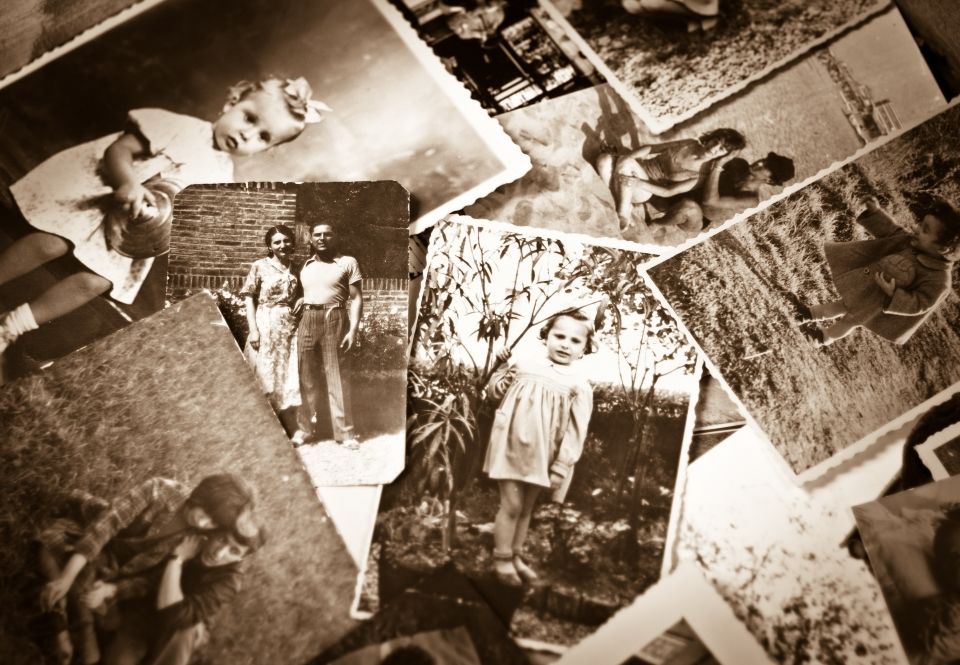
What makes AI restoration particularly compelling is its efficiency and accessibility. Traditional photo restoration requires painstaking manual adjustments by skilled professionals, a resource-intensive process that can take hours or even days. In contrast, ai old photo restoration can produce results in seconds, allowing users to quickly rediscover and share historical treasures with ease. This accessibility democratizes the preservation of history, enabling anyone with a smartphone or computer to safeguard their pictorial legacy.
Another intriguing aspect of these AI technologies is their ability to adapt and learn. As more people use old photo restoration AI tools, the algorithms become increasingly precise, learning from each task to improve future restorations. This continuous learning loop means that the tool not only restores photographs but also evolves to become more efficient over time, potentially uncovering details and colors that human restorers might overlook.
Beyond personal use, old photo restoration AI has broader implications for educational and cultural preservation. Historical societies, museums, and schools can utilize these tools to maintain and display historical archives, making educational materials more engaging and visually appealing. Moreover, AI-enhanced images can help historians and researchers uncover previously unseen details, providing new insights into historical events and everyday life in the past.
However, it's important to note that while old photo restoration AI is a powerful tool, it is best used as an adjunct to human expertise. The nuances of certain restorations can still benefit from the trained eye of a professional restorer, particularly when dealing with extremely rare or valuable photographs.
To explore further about image restoration by artificial intelligence, visit https://en.wikipedia.org/wiki/Image_restoration_by_artificial_intelligence.
AI technology is proving to be an indispensable ally in the quest to preserve our photographic heritage. As it continues to evolve, the potential to save and share our visual history becomes even more promising. The fusion of technology and tradition in the realm of photo restoration not only protects these images but also reaffirms the timeless human desire to connect with the past and share stories through generations. This ongoing evolution of old photo restoration AI ensures that our shared history will continue to inspire, educate, and move us in the digital age and beyond.