
Advanced Algorithms
The gradual fading of cherished photographs once meant the inevitable loss of vivid memories and visual heritage. However, the era of advanced algorithms has introduced a transformative solution in the realm of photography through click here. This groundbreaking technology not only redefines the preservation of historical and familial legacies but also enhances the accessibility of restoring aged imagery to its former glory.
The Renaissance of Aged Photographs through AI
Photographs hold stories, encapsulating moments that offer a glimpse into a different era, often carrying immense sentimental and historical value. AI old photo restoration has emerged as a beacon of hope for those looking to salvage and rejuvenate these treasures. Utilizing state-of-the-art AI technology, this method involves deep learning models that can analyze and repair the damages caused by time, exposure to elements, or improper storage.
What sets AI-driven restoration apart is its ability to handle complex deteriorations such as color fading, scratches, and water damage without the extensive manual effort traditionally required. This technology can intuitively differentiate between damaged and undamaged areas, applying corrections that are both precise and sympathetically aligned with the original aesthetics of the photograph. The result is a revitalized image that retains the essence of the original but appears fresh and new.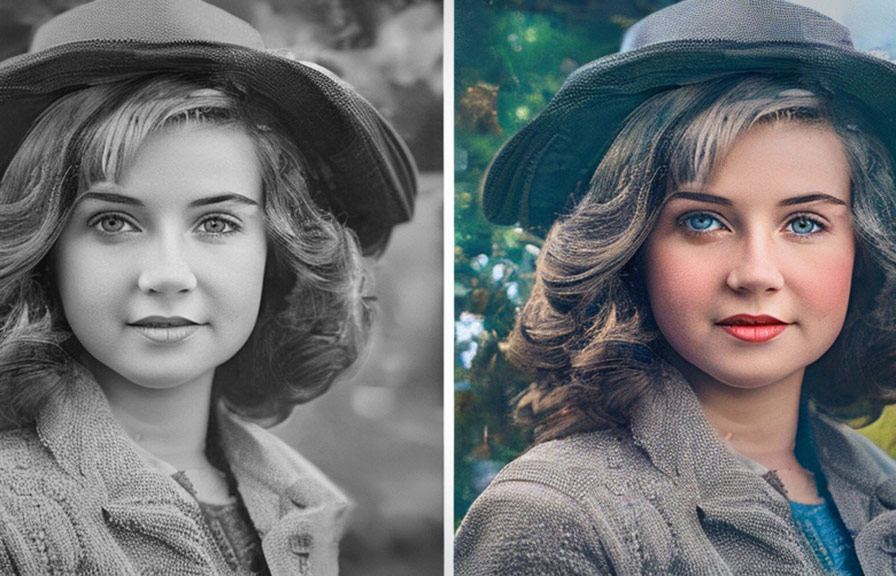
Streamlining and Democratizing Restoration
One of the most compelling aspects of old photo restoration AI is its simplicity and efficiency. Gone are the days when photo restoration required hours of meticulous labor by skilled professionals. Now, with just a few clicks, anyone can bring their old family portraits, historical photos, or any vintage photographs back to life. This ease of use democratizes the process, making it accessible to a broader audience who may not have the technical skills or resources to engage in traditional photo restoration.
Moreover, the speed at which these AI systems work is unprecedented. What once took hours, or even days, can now be accomplished in seconds. This rapid turnaround is not only convenient but also allows for larger volumes of photos to be restored in a fraction of the time it would traditionally take.
Ethical Considerations and Beyond
While the technical capabilities of AI in photo restoration are impressive, it is also worth noting the ethical framework that guides its application. The integrity of the original image is paramount, and advanced algorithms are designed to ensure that enhancements maintain the photograph's authenticity. This ethical approach reassures users that their cherished memories are being handled with respect and sensitivity.
Preservation for Future Generations
The impact of AI on photo restoration is also significant from a cultural preservation standpoint. By restoring and preserving historical photographs, AI helps maintain a visual record of the past for future generations. This not only aids in personal reminiscence but also supports educational and cultural continuity, providing clearer insights into history through well-preserved imagery.
For those interested in exploring more about the specifics of how AI is integrated into image restoration, a wealth of information is available on technological and methodological advancements in this field here: https://en.wikipedia.org/wiki/Image_restoration_by_artificial_intelligence.
Looking to the Future
As technology continues to advance, the potential for old photo restoration AI to evolve and offer even more sophisticated solutions is immense. The ability to breathe new life into old photographs is not just about restoration but also about reconnection with our past. As we move forward, the fusion of technology and nostalgia will likely continue to fascinate and benefit users around the globe, preserving the legacies embedded in these visual time capsules.